About Mallaig Harbour Authority
Mallaig has been used as a harbour since longships brought Vikings to plunder the shores of Britain. The port’s name stems from these times, “Mallaig” being of Old Norse origin meaning “Bay of the Seabirds”. Later, however, it became known by the Gaelic name “Acarsaid na Coille Mor” (“Harbour of the Big Wood) – a name which persisted until fairly recent times and probably derived from the great forests of Scots pine which once dressed the Highland landscape.
The History of Mallaig Harbour
The development of Mallaig harbour began in 1846 when Lord Lovat, the local landlord, built the first pier to help local people made destitute by the potato famine. The Lovat Pier still stands today, although the fine stonework is now covered by a layer of concrete.
In 1879, Lord Lovat extended the road to the pier and, in 1883, built a barrel and salt store. Mallaig was beginning to take on the appearance of the fishing port which would ultimately become known throughout Europe, although Tarbet in Loch Nevis, some six miles distant, was still the main port at the time.
Those were the days in which the herring industry meant everything to the Highlands and Islands of Scotland.
At Mallaig, the herring were cured aboard fleets of Dutch and British “Busses” in the same way as the “Klondyker” fleets operated in the 1970s and 80s.
The Loch Nevis and Loch Hourn herring fishery became famous and as many as 600 to 700 “skiffs” from all over the west coast took part, each discharging catches of up to 30 crans (five tonnes) per landing. In 1882, two steamers a day were running supplies of fresh herring to the newly opened Oban railway.
Work commenced in 1897 on the extension of the West Highland railway line from Fort William. Controversy surrounded the location of the terminal. Both Arisaig and Roshven on Loch Ailort were favoured sites.
A deputation from Mallaig gave evidence before a Parliamentary Committee, arguing that Mallaig’s deep and sheltered harbour made it the most logical choice for the terminal. One of the delegates, Archie MacLellan, chose to give evidence in Gaelic, his first language. The success of the argument laid the foundations for Mallaig’s growth and its achievements to date. Construction of the steamer pier, at a cost of £45,000, began at the same time as the railway.
On the first day of April in 1901, the SS Clydesdale from Stornoway and SS Lovedale from Portree berthed at Mallaig with passengers for the waiting train. They made the trip to Glasgow in a time not much different from today’s schedules.
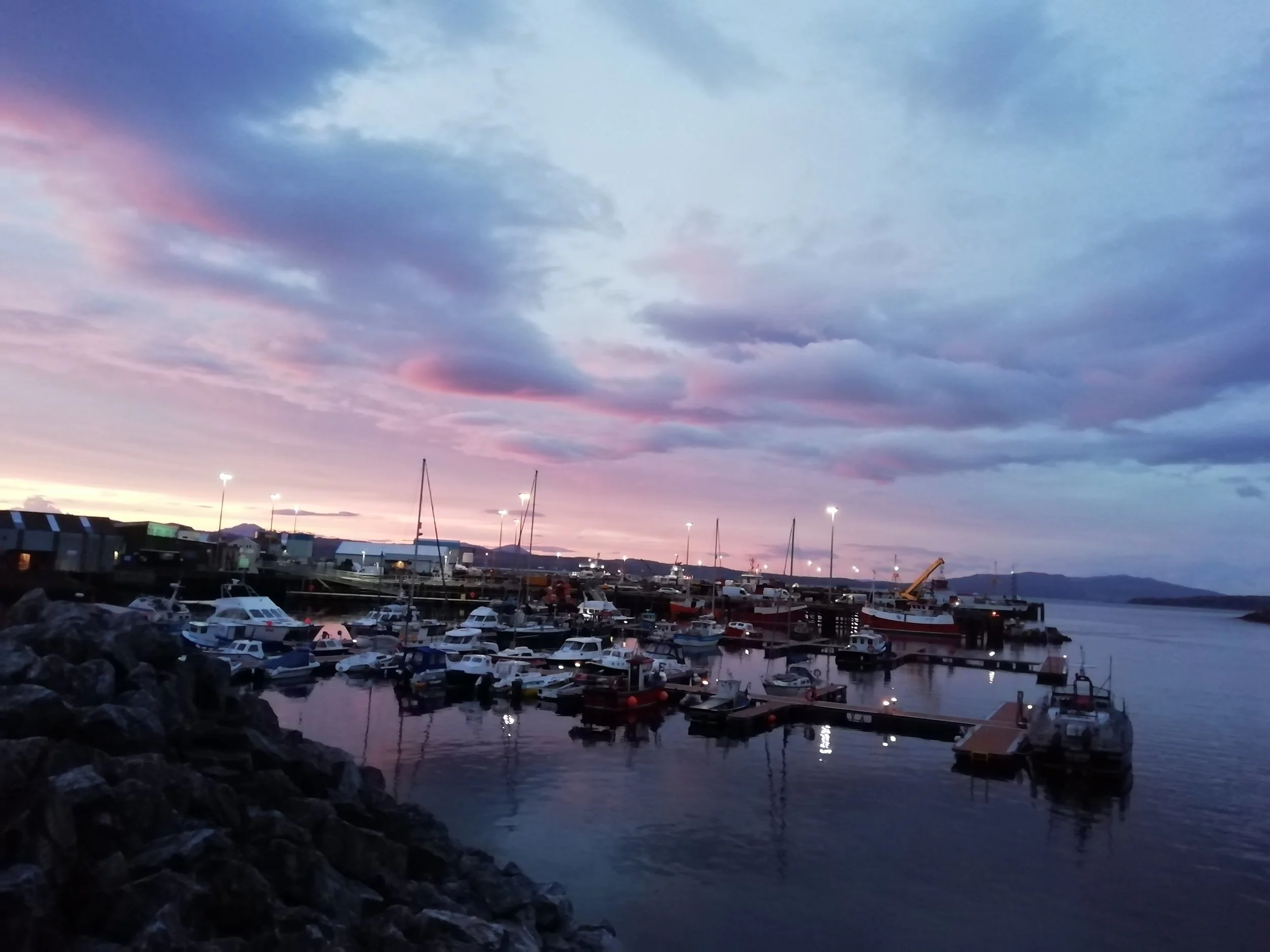
In its comparatively short life Mallaig has coped with many changes, and with the peaks and troughs of fishing activities. Whilst the fleet has diminished in size, the fishing industry still plays an important part in Harbour operations. The majority of catch landed locally is Nephrops (prawns), with smaller quantities of demersal species (white fish) in season via visiting trawlers fishing the Minch. Traditionally, local boats also prosecute a winter fishery of sprats – the only pelagic species now landed at the port. With the reduction in fishing, the port has diversified to provide a range of services to the Aquaculture and Marine Tourism industries.
Mallaig Habour is now a hub for Aquaculture on the West Coast of Scotland, providing a range of services to the industry.
Ferry Traffic has also grown significantly over the years, with CalMac running vehicle and passenger services to Armadale on Skye, Lochboisdale in South Uist, and the Small Isles of Eigg, Muck, Rum and Canna. A passenger service to the Knoydart peninsula is also operated by Western Isles Cruises from the Harbour on a year round basis. During the summer months, there are up to 25 ferry movements each day from the Harbour.
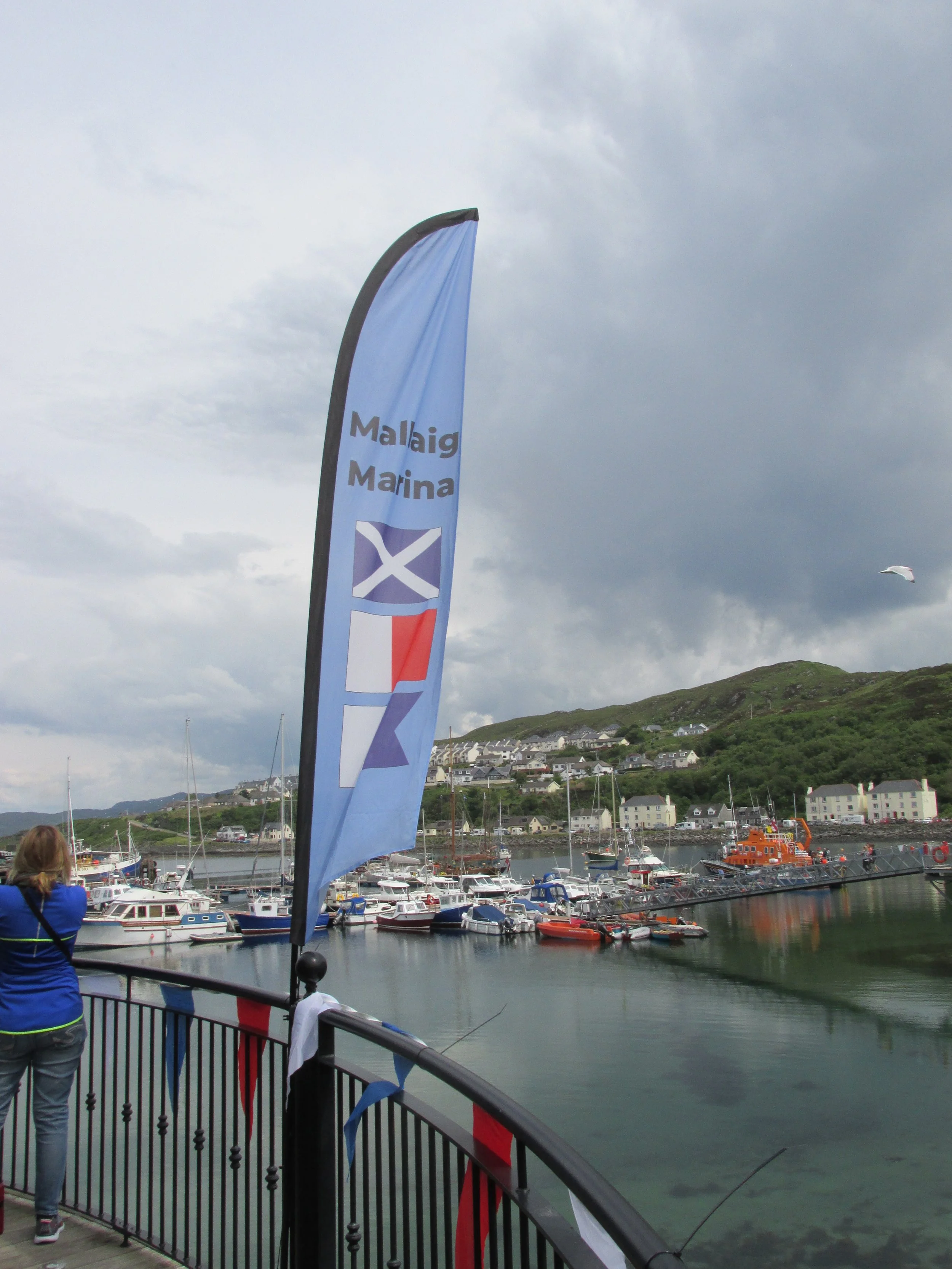
The Harbour is also home to a small Marina, with around 50 berths in total, and nine moorings, serviced by shoreside facilities. More information on facilities and services at the Harbour can be found in the ‘Marine Sectors’ section of the website.
Further information
-

Safety & Navigation
-

Marine Sectors
-

About